Skip to Content

Home / Umrah Guide / Tawafطواف

Hanafi guidanceحنفی مسلکEducational guideتعلیمی گائیڈ

Tawafطواف

طوافTawaf

All stagesتمام مراحل
Stageمرحلہ 5 ofاز 10Wajib
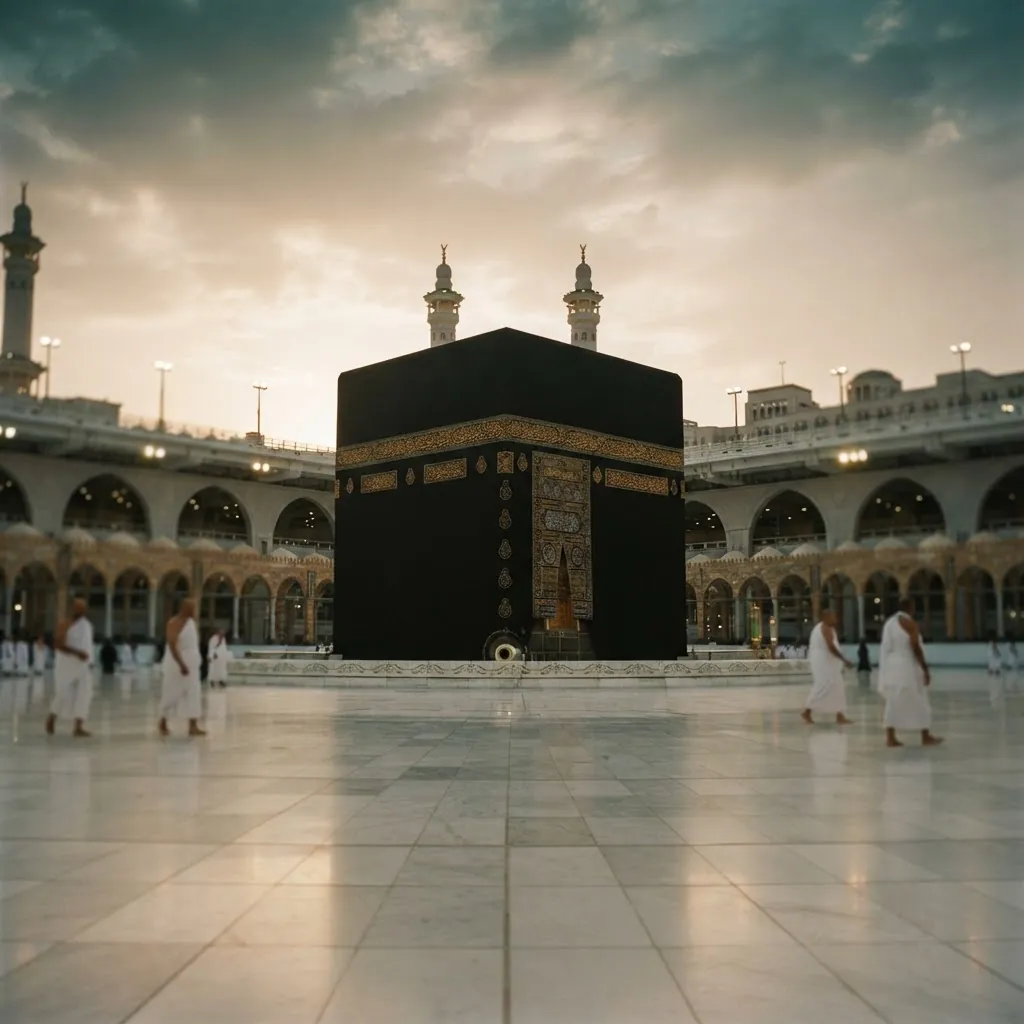
The Kaaba in Masjid al-Haram

What to doکیا کریں

  1. Stop the Talbiyah and move to the line level with Hajar al-Aswad, keeping the Kaaba on your left.
  2. Face the Black Stone, raise your right hand towards it and say: “Bismillahi wallahu akbar”. Kissing it is Sunnah when you can do so calmly without pushing anyone; otherwise simply point and move on.
  3. Walk anticlockwise around the Kaaba. One circuit is complete when you return to the line of Hajar al-Aswad — passing the Yemeni corner, the Hijr, and the Iraqi and Syrian corners does not complete a circuit.
  4. Repeat until you have completed seven circuits.
  5. Between the Yemeni corner and the Black Stone, recite: “Rabbana atina fid-dunya hasanatan wa fil-akhirati hasanatan wa qina ‘adhaban-nar”.
  6. Men: Idtiba (uncovering the right shoulder) is Sunnah throughout Tawaf, and Raml (brisk walking) in the first three circuits where the crowd allows.
  7. Keep your own count carefully. If you lose track, act on the lower certain number and continue from there.

۱۔ تلبیہ بند کریں اور حجرِ اسود کی سیدھ میں پہنچیں، کعبہ آپ کے بائیں طرف ہو۔

۲۔ حجرِ اسود کی طرف رخ کریں، دایاں ہاتھ اس کی طرف اٹھائیں اور کہیں: ”بِسْمِ اللَّهِ وَاللَّهُ أَكْبَرُ“۔ بغیر کسی کو تکلیف دیے سکون سے ممکن ہو تو بوسہ دینا سنت ہے، ورنہ اشارہ کر کے آگے بڑھ جائیں۔

۳۔ کعبہ کے گرد بائیں طرف سے چلیں۔ ایک چکر اسی وقت مکمل ہوتا ہے جب آپ حجرِ اسود کی سیدھ میں واپس پہنچیں — یمنی کونا، حطیم اور عراقی و شامی کونے گزر جانا چکر مکمل نہیں کرتا۔

۴۔ یوں سات چکر مکمل کریں۔

۵۔ یمنی کونے اور حجرِ اسود کے درمیان پڑھیں: ”رَبَّنَا آتِنَا فِي الدُّنْيَا حَسَنَةً وَفِي الْآخِرَةِ حَسَنَةً وَقِنَا عَذَابَ النَّارِ“۔

۶۔ مرد: پورے طواف میں اضطباع (دایاں کندھا کھلا) سنت ہے، اور پہلے تین چکروں میں رمل (تیز چلنا) جہاں رش اجازت دے۔

۷۔ گنتی احتیاط سے رکھیں۔ بھول جائیں تو کم یقینی عدد پر عمل کریں اور وہیں سے آگے بڑھیں۔

When to do itکب کریں

After entering the mosque, once you have located the Black Stone. Tawaf comes before the two rak‘ahs and Sa‘i.

مسجد میں داخل ہونے اور حجرِ اسود کی جگہ معلوم کرنے کے بعد۔ طواف دو رکعت اور سعی سے پہلے ہے۔

What to avoidکن باتوں سے بچیں

Do not walk with the Kaaba on your right. Do not start from Safa or from any point other than the Black Stone line. Do not touch or wipe the Kaaba, the Yemeni corner or the walls expecting a ritual reward — only the Black Stone and the Yemeni corner are touched, and only the Black Stone is kissed. Do not raise both hands at the Black Stone, and do not treat a count of eight as seven.

کعبہ کو دائیں طرف رکھ کر نہ چلیں۔ صفا یا حجرِ اسود کی سیدھ کے علاوہ کسی جگہ سے آغاز نہ کریں۔ کعبہ، یمنی کونے یا دیواروں کو ثواب کی نیت سے چھوڑ کر مسح نہ کریں — صرف حجرِ اسود اور یمنی کونہ چھوا جاتا ہے، اور بوسہ صرف حجرِ اسود کا ہے۔ حجرِ اسود پر دونوں ہاتھ نہ اٹھائیں، اور آٹھ چکروں کو سات نہ سمجھیں۔

For men onlyصرف مردوں کے لیےFor women onlyصرف خواتین کے لیے

Showing the guidance that applies to your selection.آپ کے انتخاب کے مطابق رہنمائی دکھائی جا رہی ہے۔

Idtiba and Raml are Sunnah for men.

مردوں کے لیے اضطباع اور رمل سنت ہیں۔

No Idtiba and no Raml — walk normally and avoid crowded lanes. A menstruating woman does not perform Tawaf; consult a qualified scholar about your situation and timing.

نہ اضطباع نہ رمل — عام چل کر، رش والی جگہوں سے بچتے ہوئے۔ حائضہ عورت طواف نہیں کرتی؛ اپنی حالت اور وقت کے بارے میں مستند عالم سے رجوع کریں۔

Referencesحوالہ جات

Qur'an 2:125 and 22:29; Sahih Muslim, Kitab al-Hajj — the hadith of Jabir on the Tawaf of the Prophet, peace be upon him; al-Hidayah (al-Marghinani), Kitab al-Hajj — the seven circuits and the sunnah acts of Tawaf.

Duas and recitationsدعائیں و تلاوت

At the Black Stoneحجرِ اسود کے پاس

بِسْمِ اللَّهِ وَاللَّهُ أَكْبَرُ

Bismillahi wallahu akbar.

Translationترجمہ

In the name of Allah, and Allah is the Greatest.

اللہ کے نام سے، اور اللہ سب سے بڑا ہے۔

No verified audio recording available yet.ابھی کوئی تصدیق شدہ آڈیو دستیاب نہیں۔

Referenceحوالہ: Reported from ‘Umar (may Allah be pleased with him) — Sahih Muslim, Kitab al-Hajj. The pilgrim raises the right hand towards the Stone, says this, and moves on.

Between the Yemeni corner and the Black Stoneیمنی کونے اور حجرِ اسود کے درمیان

رَبَّنَا آتِنَا فِي الدُّنْيَا حَسَنَةً وَفِي الْآخِرَةِ حَسَنَةً وَقِنَا عَذَابَ النَّارِ

Rabbana atina fid-dunya hasanatan wa fil-akhirati hasanatan wa qina ‘adhaban-nar.

Translationترجمہ

Our Lord, give us good in this world and good in the Hereafter, and protect us from the punishment of the Fire.

اے ہمارے رب، ہمیں دنیا میں بھی بھلائی دے اور آخرت میں بھی بھلائی، اور ہمیں آگ کے عذاب سے بچا۔

No verified audio recording available yet.ابھی کوئی تصدیق شدہ آڈیو دستیاب نہیں۔

Referenceحوالہ: Qur'an 2:201 — recited in Tawaf between the Yemeni corner and the Black Stone.

This guide is an educational travel resource based on Hanafi guidance. It is not a substitute for a personal fatwa. For unusual circumstances, mistakes, or questions about Dam, please consult a qualified Hanafi scholar.یہ گائیڈ حنفی فقہ پر مبنی ایک تعلیمی سفری مدد ہے۔ یہ کسی ذاتی فتویٰ کا متبادل نہیں۔ غیر معمولی حالات، غلطیوں یا دم کے سوالات کے لیے براہِ کرم کسی مستند حنفی عالم سے رجوع کریں۔

Privacy: this guide collects no personal information and asks for no account. Progress is stored only in your own browser.رازداری: یہ گائیڈ کوئی ذاتی معلومات جمع نہیں کرتی اور کسی اکاؤنٹ کی ضرورت نہیں۔ پیش رفت صرف آپ کے براؤزر میں محفوظ ہوتی ہے۔